
Meta’s Muse Image Is Coming to Advantage+: What Automated Ad Creative Means for AI Video Ads in Real Estate
On July 7, Meta released Muse Image, the first image generation model from Meta Superintelligence Labs, and confirmed that advertisers will get access to it through Advantage+ creative “in the coming weeks.”[1] For anyone producing AI video ads real estate developers actually run campaigns with, this is the most consequential advertising announcement of the month: the largest ad platform in the world is about to generate ad creative variations natively, inside the campaign tool itself. At Moving Pictures we produce ads entirely with AI, so we have been reading the details closely — both for what Advantage+ automation will do well, and for what it structurally cannot do.
What Meta actually shipped
Muse Image is live now in Meta AI and already powers creative features on Instagram and WhatsApp, with Facebook and Messenger to follow.[1] Technically, the interesting part is not the image quality itself but the reasoning layer: the model plans its layout before generating, pulls real-time web context, and blends multiple visual references in a single pass.[1] Users can also mark up an image directly — circle an element, sketch a change — and the model applies the edit while keeping the rest of the frame intact.[1]
The advertiser side is the reason Meta built it. Muse Image will plug into Advantage+ creative, Meta’s automated campaign suite, which the company says already generates roughly $60 billion in annualized revenue and returns an average of $4.52 per dollar spent.[2] Meta’s stated goal for the integration is generating “on-brand ad variations with fewer iterations” from an advertiser’s existing creative.[2] A video counterpart, Muse Video, is in development, with Meta claiming competitive prompt adherence, visual fidelity, and temporal consistency.[3]
The concrete improvement: variation volume
Strip away the platform framing and one specific capability matters for ad production: cheap, fast creative variations for A/B testing. Today, testing ten visual variants of one ad concept means producing ten assets. When Advantage+ can regenerate backgrounds, swap styles, and re-compose an advertiser’s source image on its own, the cost of a variant drops toward zero. For performance advertising — including real estate development video marketing, where campaigns routinely test different facades, seasons, and audiences — that changes how much creative a sensible media plan should include. We are eager to test this the moment advertiser access opens, because variant testing is currently the most labor-intensive part of our own ad workflows.
Where platform-side generation stops for real estate video ads
There is a structural limit, and real estate advertising sits exactly on it. A developer’s ad must show that building — the actual elevation, the approved materials, the real layout of the estate. An automated system optimized for engagement will happily “improve” a facade, and in property marketing an improved facade is a misrepresentation problem, not a win. Meta itself has already had to walk back one Muse Image feature days after launch: the ability to @-mention public Instagram accounts as visual references was removed on July 10 after user backlash.[1] Platform-side generation moves fast and corrects course in public. Brand-critical and compliance-sensitive creative cannot iterate that way.
This is why we treat tools like Muse Image as one layer of a controlled pipeline rather than a replacement for one. When Moving Pictures produces AI video ads for real estate clients, the client’s own architectural renders are the ground truth: every generated shot is derived from and checked against them. AI gives us the speed — full spots produced without a physical shoot, individual AI-generated shots delivered into a client’s own edit, variant packages for A/B testing. Human control gives the accuracy that a listing, a developer’s board, and an advertising standards authority all require.
What we expect to change in practice
Our working assumption: Advantage+ with Muse Image will raise the baseline. Generic ad creative — stock-style lifestyle imagery, simple product-on-background compositions — will increasingly be generated inside the platform, for free, at upload time. What remains outside the platform is creative where the source material is non-negotiable: architecture, branded products, real people who must stay themselves across every shot. That work needs a production partner running the generation, not a checkbox in Ads Manager. When Muse Video ships, we expect the same split to apply to motion.[3]
If you are a brand or a developer planning video campaigns and want AI production speed without giving up control of what your project actually looks like, talk to us at Moving Pictures — we already produce ads this way, end to end.
From our portfolio
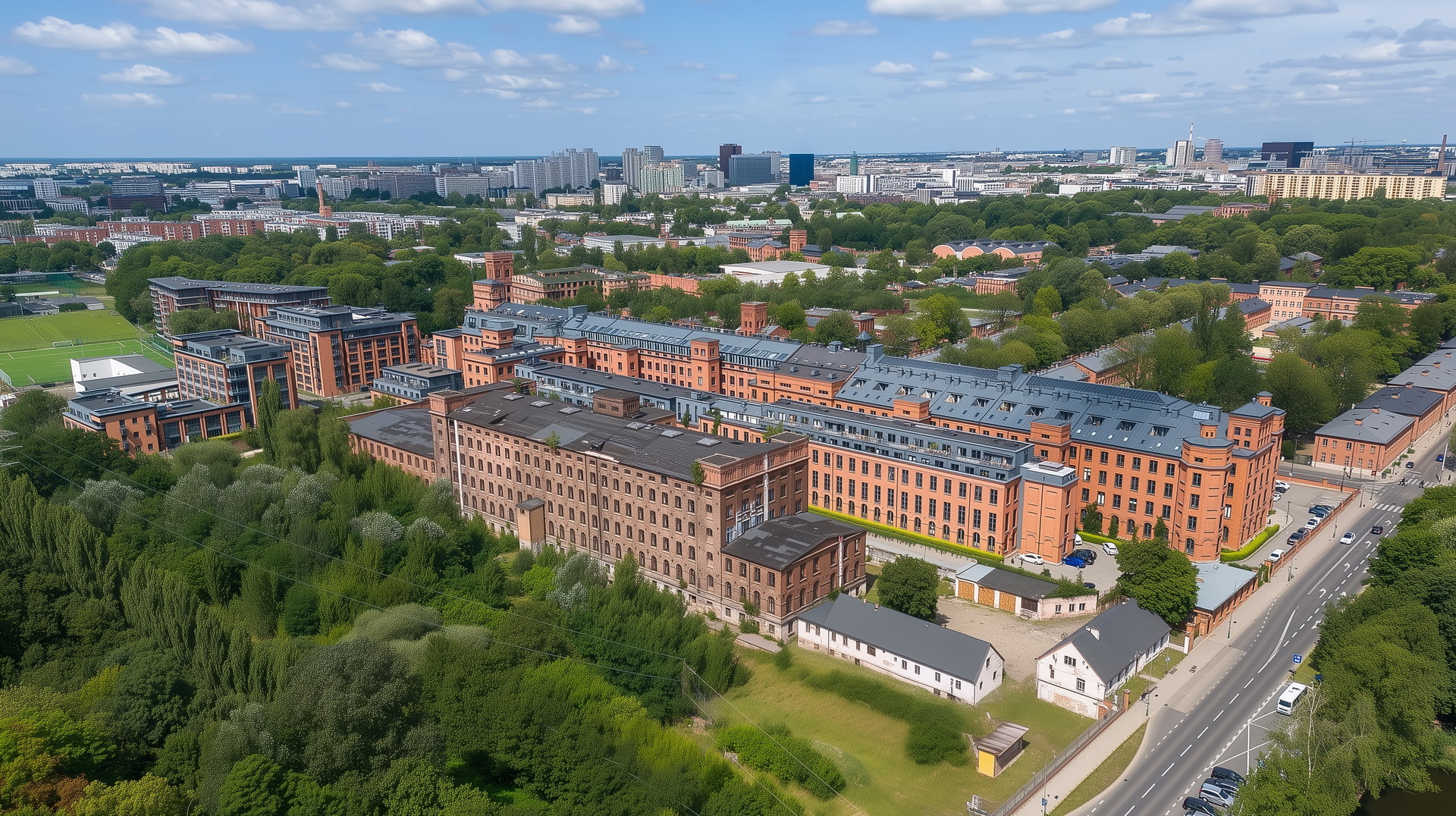
If you are planning promotional materials like this for your own development, get in touch with Moving Pictures.