
Seedance 2.5’s 3D Reference Inputs Could Change How Architectural Visualization Gets Turned Into Video
ByteDance’s new video generation model, Seedance 2.5, unveiled at the Volcano Engine FORCE conference in Beijing on June 23, 2026,[1] accepts up to 50 multimodal reference inputs per generation — including, for the first time, 3D white-box models. For architectural visualization studios working with developers, that one detail matters more than the headline 4K resolution or the 30-second clip length.
Why a 3D White-Box Reference Changes the Workflow
Most AI video tools still work from a text prompt and maybe a still image or two. That’s workable for generic b-roll, but it’s a poor fit for archviz, where the whole point is showing a specific building, with a specific massing, specific proportions, and a specific relationship to its site. A text description of a building is always an approximation. A 3D white-box model is not.
Seedance 2.5 accepts up to 50 reference inputs at once, up from 12 in its predecessor,[1] and that pool explicitly includes 3D white-box models alongside images, audio clips, and style references. In practice, that means a developer’s existing massing model, or a studio’s existing low-poly block-out, can be fed into the generation directly as a geometric anchor, alongside photographic style references for materials, lighting, and mood. The model also ships with a 3D white-box preview function that lets creators generate low-fidelity animations before committing to a full-quality render,[1] which is a natural fit for the way archviz studios already work: block out the camera move and massing first, then commit to the final pass once the client signs off.
Native 4K and 10-Bit Color, Not Upscaled
The second relevant spec is resolution. Seedance 2.5 generates natively at 4K rather than upscaling from a lower-resolution source, and it supports 10-bit color depth for smoother gradients and more room in post-production grading. For architectural marketing material — the kind of promotional video shown on a developer’s sales-office display, in a large-format lobby screen, or in a pitch deck projected at full size — native resolution is the difference between a facade that holds up to scrutiny and one that falls apart into visible artifacts the moment it’s blown up past a phone screen.
MindStudio’s breakdown of the release notes that “generating convincingly at 4K means the model is producing more detailed, precise output overall”[2] — a reasonable read, since a model that can’t hold detail at scale usually shows it first in texture and edge quality, exactly the properties that matter for glass curtain walls, stone cladding, and landscaping.
30 Seconds Is Enough for a Complete Building Walkthrough
The third change is clip length: Seedance 2.5 produces coherent 30-second clips in a single generation, double the previous version’s ceiling.[1] For archviz specifically, that’s close to the length of a full promotional sequence — establishing exterior shot, a slow push toward the entrance, an interior pass through a lobby or show unit — without stitching together several shorter generations and hoping the lighting and materials stay consistent between cuts. MindStudio points out that at 4–6 seconds, producers needed to generate five to ten clips and cut them together, “hoping the visual style held across generations.”[2] Thirty seconds removes most of that guesswork for a single flagship shot.
What This Means for Developer Marketing Packages
Moving Pictures already builds promotional video packages for developers from their architectural visualizations, entirely with AI: rolki, voiceover films, and upscaled imagery, delivered faster and at a lower cost than a traditional production. Reference-anchored generation is the piece that was missing. Instead of describing a building in a prompt and hoping the output resembles the actual design, a 3D white-box model or an existing render can now sit directly in the generation pipeline as a geometric constraint, with native 4K output that survives being projected at full scale in a sales office or a client presentation.
The public rollout of Seedance 2.5 was targeted for early July 2026, following an enterprise beta, with no confirmed timeline yet for markets outside China.[1] We’re watching the rollout closely and preparing to test the white-box reference workflow as soon as access opens up, specifically against real developer massing models rather than demo assets.
Working With Moving Pictures
If you’re a developer sitting on architectural visualizations that never made it into a proper promotional video, or renders that are technically finished but not doing much for a sales page, Moving Pictures turns that material into rolki, voiceover films, and upscaled imagery, entirely with AI, without the cost or timeline of a traditional shoot. Get in touch to talk about your project.
From our portfolio
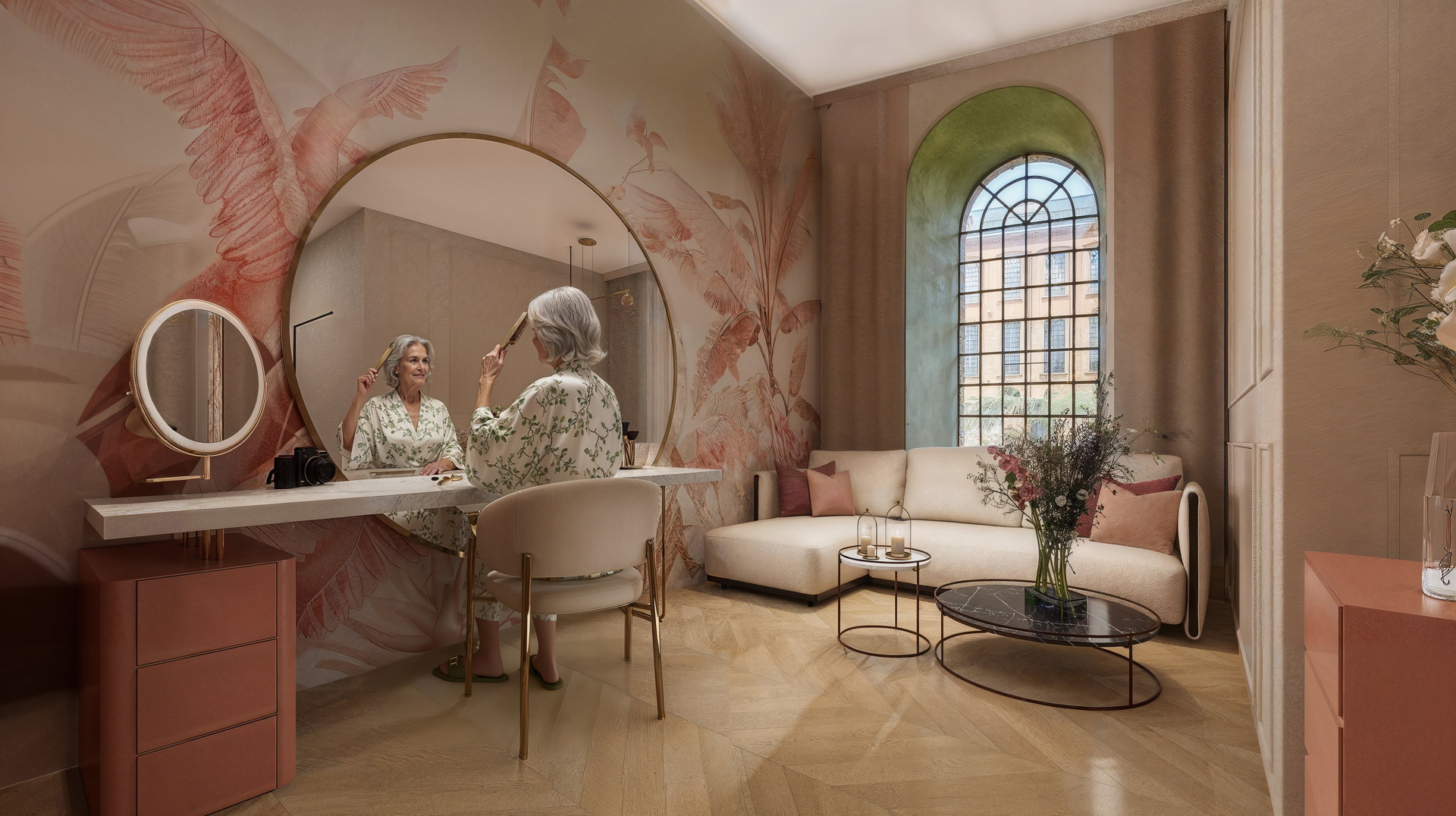
If you are planning promotional materials like this for your own development, get in touch with Moving Pictures.